
Los Angeles is a city built on performance. From touring Broadway productions at the Pantages to indie showcases in Silver Lake, the city runs on live music and vocal talent. That environment creates a deep pool of vocal coaches and teaching styles. The challenge is not finding a voice teacher. It is finding the right one for where you are and what you want to do. This guide walks beginners and intermediate singers through what they need to know before booking voice lessons in Los Angeles.
Why Los Angeles Is a Unique Place to Study Voice
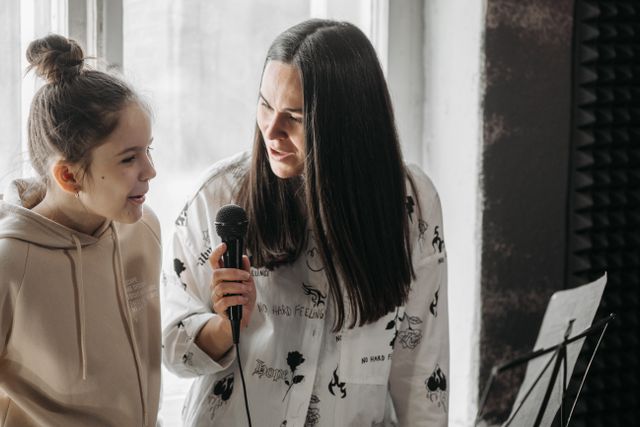
Voice lessons in Los Angeles carry an advantage most other cities cannot offer. Working professional singers, session vocalists, and coaches with real industry experience all live and teach here. Students at every level can find instructors who have sung on records and performed on stage. For a beginner, that depth translates into practical guidance rooted in real performance. For an intermediate singer, it opens the door to mentorship from someone who has already walked the path.
That access matters because singing is a performance art. Technical skill only gets a singer so far. The ability to connect with an audience, manage nerves, and adapt to different performance contexts comes from working with teachers who have done it themselves. Los Angeles has those teachers in abundance.
What Beginners Should Know Before Their First Lesson

Many beginners put off taking voice lessons because they believe they need natural talent first. That belief gets the process backwards. Voice lessons develop the skill that casual singing cannot teach on its own. A first lesson with a good vocal coach does not involve performing. It involves listening, identifying where the voice currently sits, and building a foundation from that starting point. A beginner should look for a teacher who explains the why behind every exercise, not just the how.
Breath support is the first technical concept most vocal teachers introduce, and for good reason. Almost every beginner problem connects back to how the body supports sound. Straining on high notes, running out of air mid-phrase, and losing tone quality all trace back to breath. A teacher who starts with breath support builds the right foundation. One who skips it in favor of early song-learning often creates habits that take months to undo.
What Intermediate Singers Should Look for in a Vocal Coach

An intermediate singer already has a voice. The work at this stage is about refining it, extending its range, and building consistency. The most common plateau at this level involves the passaggio. That is the transition zone between the chest voice and the head voice. A teacher who knows how to smooth that break out makes a real difference. Focusing on repertoire alone does not address the root of the problem.
Intermediate singers should also look for a teacher who assigns specific, targeted exercises between lessons. Vague direction like practicing what we covered today produces vague results. A good teacher at this level gives concrete assignments tied to the student’s specific weaknesses. That level of precision is what separates a singer who plateaus from one who keeps growing.
How Vocal Style Shapes Your Choice of Teacher
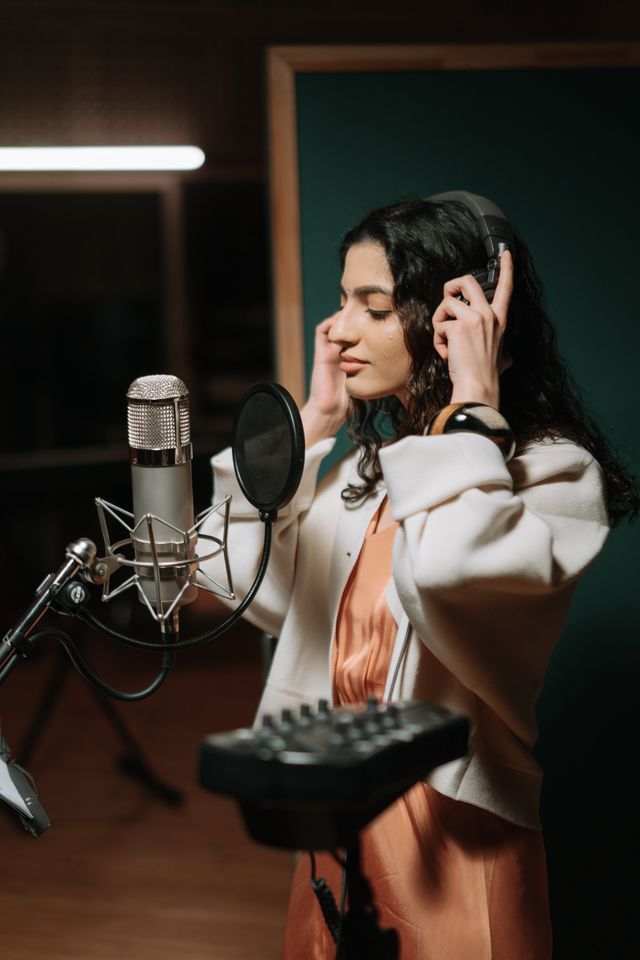
The kind of music you want to sing shapes the kind of teacher you need. Classical technique prioritizes resonance, breath control, and a fully supported tone across a wide dynamic range. Musical theater adds diction, character, and the ability to shift between speech and song within a single phrase. Contemporary styles like pop and rock value tone color and microphone technique. They also favor a more conversational, less formal register.
A teacher trained in one tradition often lacks the tools to teach another effectively. A classical-trained teacher may give you beautiful technique. But they may not help you navigate a microphone or develop the nuances that contemporary music demands. Look for a teacher whose own background aligns with the direction you want to grow. Ask directly about their performance history and the styles they currently teach most often.
What Happens in a Typical Voice Lesson
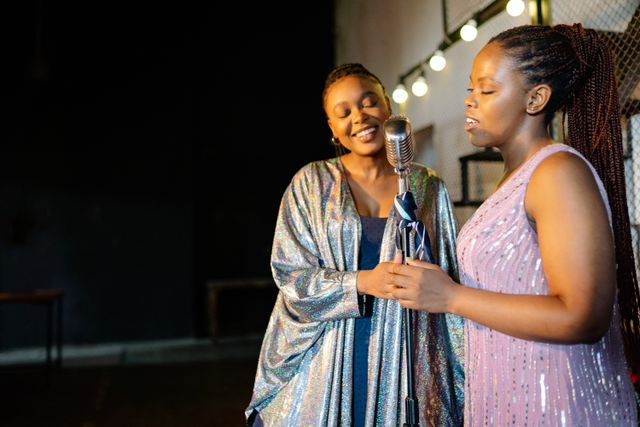
A typical voice lesson at a good school follows a clear structure. It starts with a warmup. These exercises bring the voice up to temperature and identify tension before the serious work begins. The teacher then moves into technical exercises targeting the skill the student needs most at that point. The lesson closes with repertoire work, applying the technical gains to an actual song.
The technical portion is where real progress happens. The teacher isolates a specific skill, demonstrates it, asks the student to replicate it, and makes real-time corrections. This back-and-forth is something no recording or online tutorial can replicate. A trained ear in the room catches problems the student cannot hear in themselves. That is the core value of a live lesson.
How Often You Should Take Voice Lessons
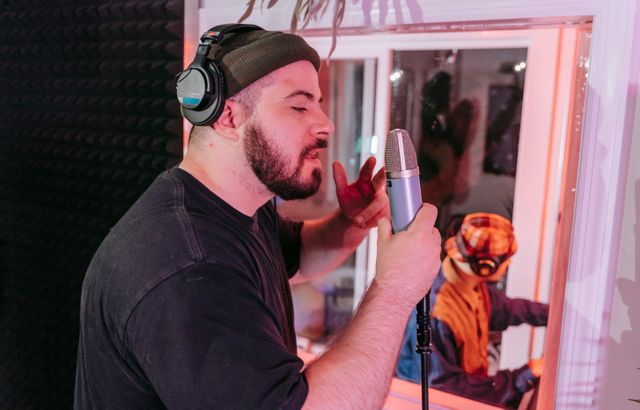
Most vocal coaches recommend one lesson per week as the minimum for consistent progress. The voice is a muscle system. It responds to regular, structured work and recovers between sessions. Spacing lessons two weeks apart gives bad habits time to settle between corrections. Weekly lessons combined with daily practice produce faster results. Bi-weekly lessons at a higher per-session cost rarely close that gap.
Lesson length also matters. Most students taking voice lessons in Los Angeles choose between 30, 45, and 60-minute sessions. Younger students and beginners often do well with 30 minutes. Intermediate students working on more complex material benefit from the extra time that 45 or 60-minute sessions provide. The additional time gives the teacher room to warm up, work through technical material, and still close with meaningful repertoire practice.
Making the Most of Practice Between Lessons

Practice between lessons is where a singer builds on the gains the teacher identifies during the session. A productive practice session does not mean running through songs from start to finish. It means isolating the specific exercises and passages the teacher assigned and working them slowly and deliberately. Ten to fifteen minutes of focused daily practice beats one long session crammed in the day before the lesson.
Recording yourself during practice is one of the most underused tools in vocal development. The voice sounds different inside your head than it does to everyone else in the room. A recording gives you the external perspective your ear cannot access in real time. Listen back after each session and note what the teacher would correct. Bring those observations to the next lesson.
Looking For Voice Lessons in Los Angeles?
Adam’s Music on Pico Boulevard in West Los Angeles offers private voice lessons for singers at every level. The instructors tailor each lesson plan to the student’s style and goals. That covers everything from classical technique and musical theater to contemporary pop and rock. Every new student starts with a free introductory lesson at no obligation. Stop by the shop or reach out today to get matched with the right vocal coach and schedule your first session.