Amplifiers are one of the most expensive and least portable pieces of gear a musician owns. A quality guitar amp can cost several hundred to several thousand dollars new. A bass amp capable of holding its own in a live setting costs even more. Working musicians who need a specific amp for a single gig benefit from renting. Students who want to try an amp before buying do too. Amplifier rental in Los Angeles gives both groups access to quality gear at a fraction of the purchase price.
This guide covers the key differences between guitar and bass amp types. It also walks through what each audience needs when renting. By the end, you will know how to pick the right amp for the job.
Why Renting an Amplifier Makes Sense
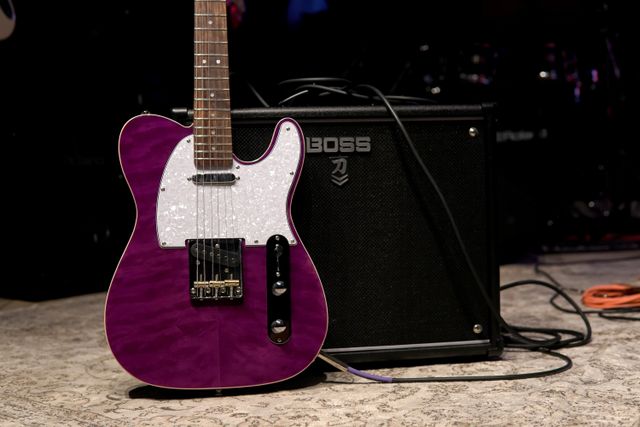
Musicians end up looking for amplifier rental in Los Angeles for two distinct reasons. The first is practical: they have a gig, session, or rehearsal that demands more amp than they own, or they need a sound their current setup cannot produce. The second is evaluative: they want to spend real time with a specific model before committing to a purchase. A shop with a solid rental inventory serves both needs well.
Working musicians avoid transporting heavy gear across the city when they rent. They also protect their own equipment from damage in unfamiliar venues. For students and beginners, renting opens up professional-grade gear that a tight budget cannot cover. It also removes the risk of buying the wrong amp before developing a clear sense of what the job requires.
Guitar Amp Types: Combo vs. Head and Cabinet
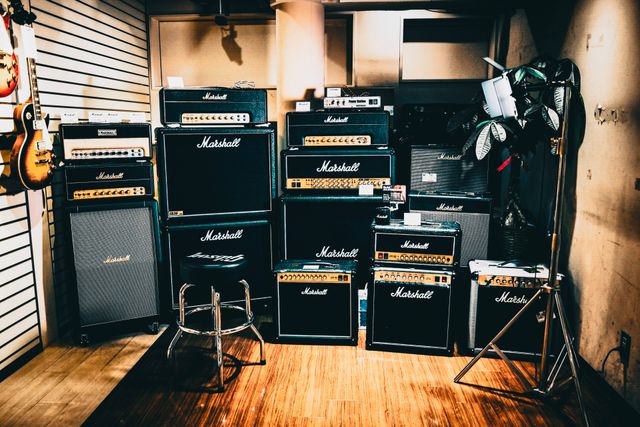
Guitar amplifiers come in two main configurations. A combo amp combines the amplifier head and the speaker cabinet into a single unit. Combos are more portable, easier to set up, and work better in smaller venues, rehearsal spaces, and homes. Most combos range from five to 100 watts. Lower wattage models handle practice well. Higher wattage models cover clubs and medium-size venues without straining.
A head and cabinet setup separates the amplifier from the speaker. Players mix and match the two components to dial in different sounds and volume levels. Larger stages favor this configuration because it prioritizes volume and tonal flexibility over portability. When renting a head and cabinet, confirm the head and cabinet share matching impedance ratings before plugging in. A mismatch between the two can damage both components.
Choosing the Right Guitar Amp Wattage for Your Situation
Wattage is one of the most misunderstood specs in guitar amplification. Higher wattage does not always mean better tone. It also does not always mean the amp is louder in the way most people expect. A 100 watt amp is not ten times louder than a 10 watt amp. Sound perception is logarithmic. Doubling perceived volume requires roughly ten times the wattage. The practical difference between a 50 watt and a 100 watt amp on stage is smaller than the numbers suggest.
For a small venue or rehearsal, a combo in the 15 to 30 watt range is usually enough. A medium club without full PA support needs around 50 watts to give you comfortable headroom. A large stage where the amp carries the room without PA support calls for 100 watts. When in doubt, rent slightly larger than you think you need. An amp running clean at 70 percent capacity sounds better than a smaller amp pushed to its limit.
Bass Amplifier Rental: What the Numbers Really Mean
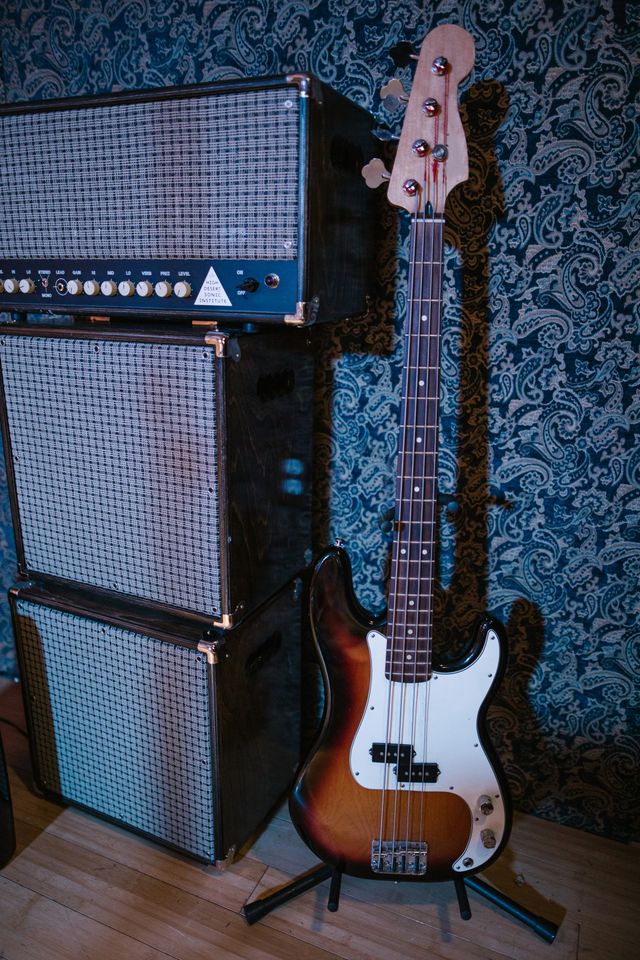
Bass amplifiers operate under different rules than guitar amps. Lower frequencies demand more power to project at the same perceived volume as a guitar. That is why bass combos typically start at 100 watts and professional live rigs often run 500 watts or more. A 100 watt combo works well in a small rehearsal room. That same amp on a mid-size club stage without PA support will struggle to cut through a full drum kit and two guitars.
Speaker size matters just as much as wattage for bass. A 15-inch speaker moves more air and produces a fuller, rounder low end. A cabinet loaded with multiple 10-inch speakers delivers a tighter, more defined low end with faster transient response. Neither option is objectively better. The right choice depends on the genre, the room, and the player’s preference. When renting a bass amp in Los Angeles, describe the venue size and musical style to the shop. That detail helps them match you with the right option.
What Working Musicians Should Ask Before Renting
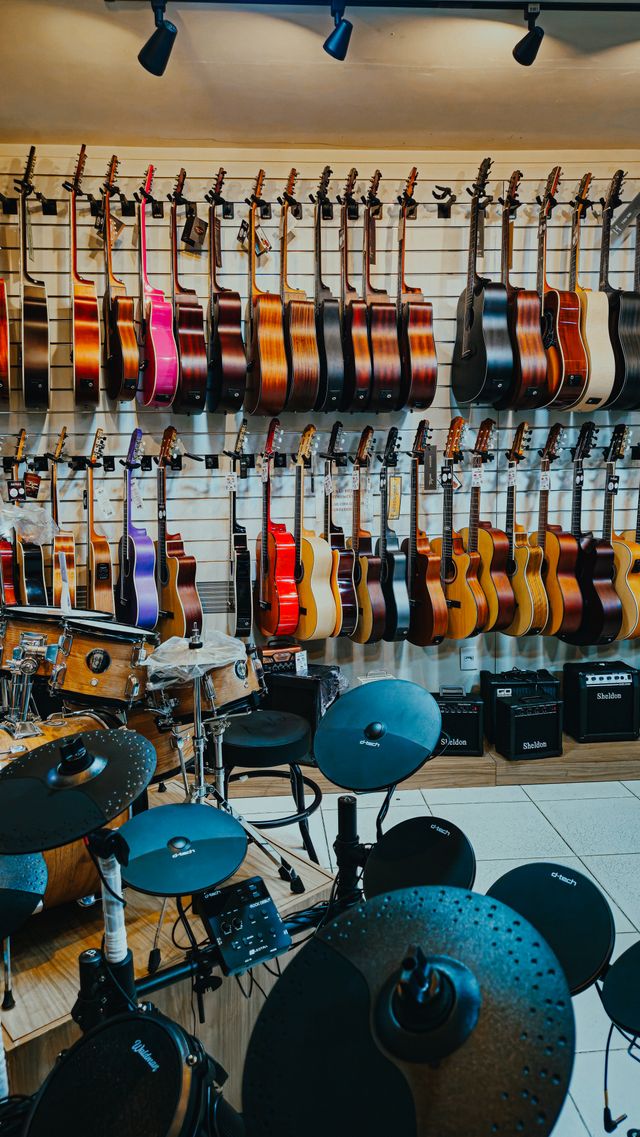
A working musician renting an amp for a specific gig needs to verify a few things before the rental date. First, confirm the shop has tested the amp and it works properly. All controls should turn smoothly and cleanly. The speaker should produce no distortion or rattling at moderate volume. All input and output jacks should connect without crackling. Ask the shop when it last serviced the amp, and when someone last replaced the tubes if it runs on them.
Also confirm the rental terms around damage. Find out exactly what you are liable for if the amp takes damage during the rental period. Ask how the shop distinguishes pre-existing wear from new damage. A reputable shop documents the amp’s condition at pickup and gets both parties to agree on its state before you leave.
What Beginners and Students Should Look for in a Rental Amp
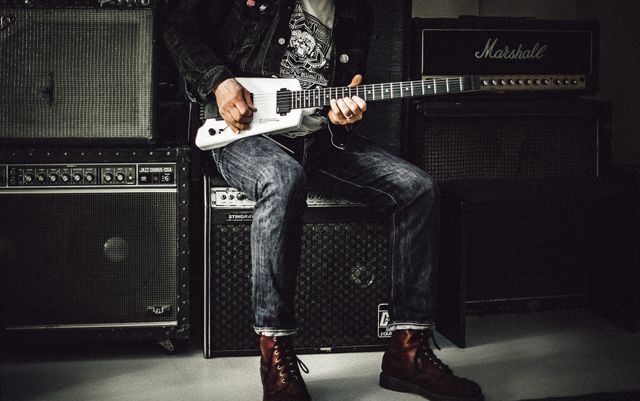
A beginner renting an amp for the first time does not need the most powerful or feature-rich option on the shelf. What matters is a clean, functional amp that represents the instrument accurately. A new player needs to hear what their guitar or bass actually sounds like. Too many built-in effects or EQ controls introduce variables that slow down ear development.
Students taking lessons benefit from renting an amp by the month rather than buying a cheap new one. A cheap amp often needs replacing once the player develops more specific preferences. A monthly amplifier rental in Los Angeles from a quality shop puts a student on better gear than most entry-level purchases. The total cost over the first several months is usually lower than buying new.
Renting an Amp to Try Before You Buy
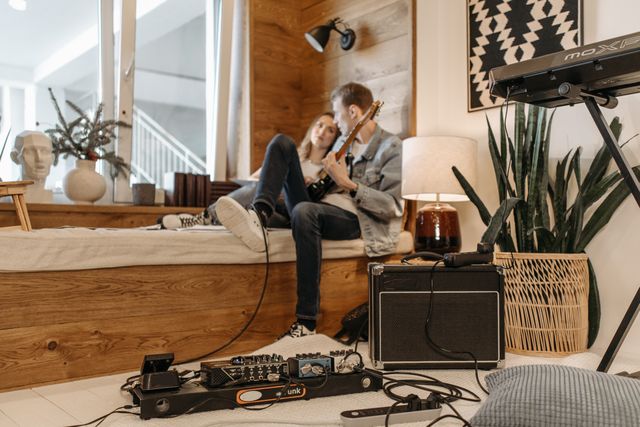
One of the most practical uses of amplifier rental in Los Angeles is extended evaluation before a purchase. Playing an amp in a shop for 15 minutes tells you something. Living with it for a week at home, in rehearsal, and at a gig tells you everything. Renting a specific model for a week gives you the most reliable picture of whether it fits your playing style, your home, and the venues you perform in.
Looking For An Amplifier Rental in Los Angeles?
Adam’s Music on Pico Boulevard in West Los Angeles rents guitar and bass amplifiers by the day, week, and month. The inventory covers a range of wattages and configurations for players at every level. Need a reliable combo for a week of rehearsals? The staff will match you with the right option. Looking for a specific amp to test before buying? They can set that up too. Stop by the shop or call to check current inventory and get a rate that fits your timeline.