
Woodwind instruments rely on dozens of small moving parts working together in precise coordination. Pads seal against tone holes, springs return keys to position, and cork joints hold sections together with an airtight fit. When any one of these components wears down, the entire instrument suffers. Recognizing the early signs that your instrument needs woodwind repair in Los Angeles can save you from a small, affordable fix turning into a much larger and more expensive problem down the road.
This guide covers what to watch for across clarinet, saxophone, flute, oboe, and bassoon, whether you are a student working through a school music program or an adult player maintaining an instrument you have owned for years.
Why Woodwind Instruments Need Regular Professional Attention
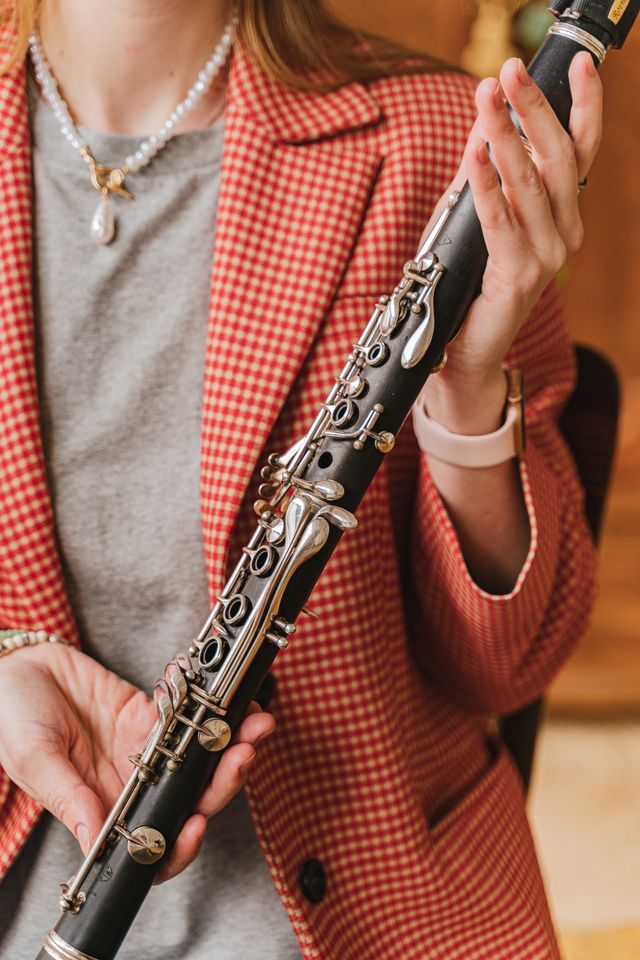
Woodwind instruments experience more mechanical stress than most people realize. Every key press engages a spring, every note relies on a pad sealing completely against a tone hole, and every joint depends on cork or thread wrapping to stay airtight. Moisture from normal playing causes pads to compress and cork to shrink over time, even when a player treats the instrument carefully. This gradual wear happens whether the player is a beginner practicing twenty minutes a day or a professional performing several nights a week.
A small mechanical issue rarely stays small. A single pad that no longer seals fully forces a player to compensate with extra breath pressure or awkward fingerings, and that compensation often introduces new problems in technique. Catching these issues early, before they compound into bigger mechanical failures, keeps repair costs lower and keeps the instrument playing the way it should.
Warning Signs on Clarinet and Saxophone
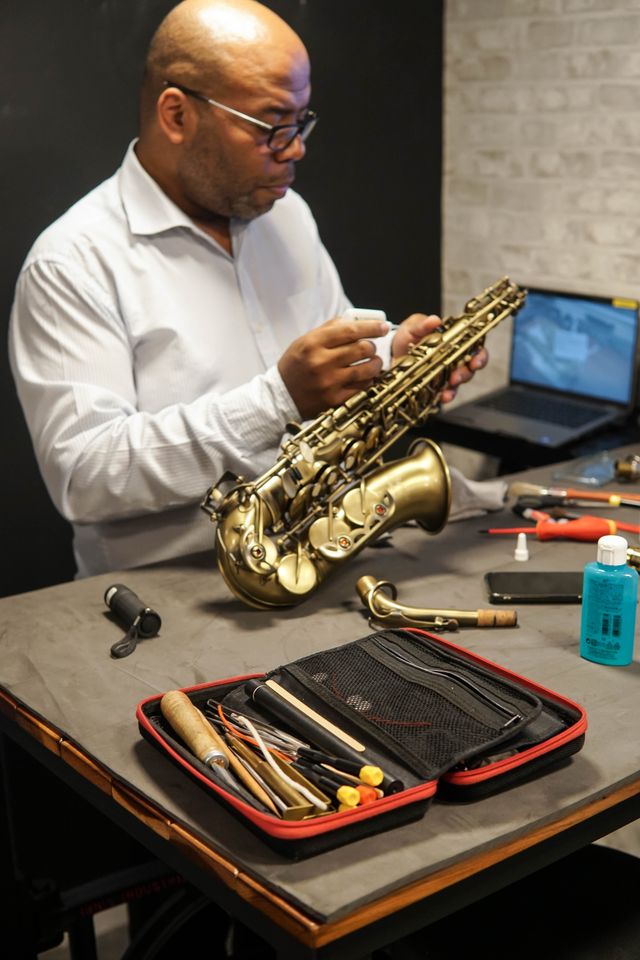
Clarinet and saxophone share several common trouble spots since both instruments rely on a similar pad and key system. Notes that crack unexpectedly, especially in the lower register, often point to a leaking pad somewhere in the tone hole chain. A student who suddenly struggles to produce a clean low note, after playing that same note cleanly for months, is usually dealing with a mechanical issue rather than a technique problem.
Sticky keys are another common sign. If a key feels slow to return after you release it, the spring tension has likely weakened or debris has built up around the mechanism. On saxophone specifically, watch for keys that rattle or feel loose under the finger, which usually means a screw or pivot point needs tightening. Left unaddressed, a loose key eventually affects the alignment of the pad it controls.
Warning Signs on Flute
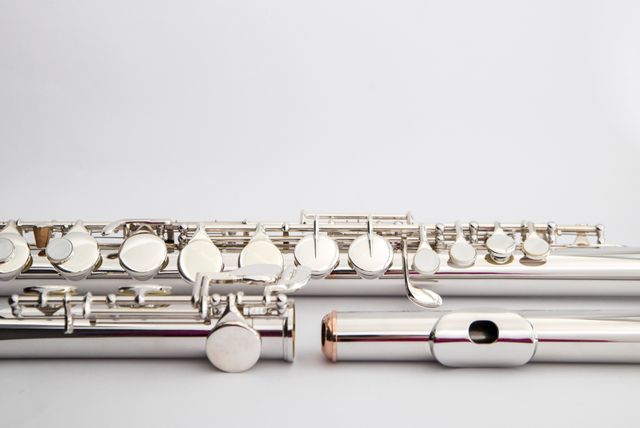
Flute problems often show up first in intonation rather than obvious mechanical failure. If certain notes consistently play flat or sharp compared to the rest of the instrument, a pad in that section may not be sealing evenly. Because the flute’s headjoint and body rely on a precise fit, a flute that suddenly feels harder to produce a full sound on, even with consistent embouchure, often signals an alignment issue between the head and body rather than a playing problem.
Visible dents on the body, particularly near the headjoint or foot joint, are also worth professional woodwind repair in Los Angeles, even if the instrument still produces sound. A dent can subtly change the internal bore shape of the instrument, which affects both tone quality and intonation in ways that are not always obvious to the player until a technician points them out.
Warning Signs on Oboe and Bassoon
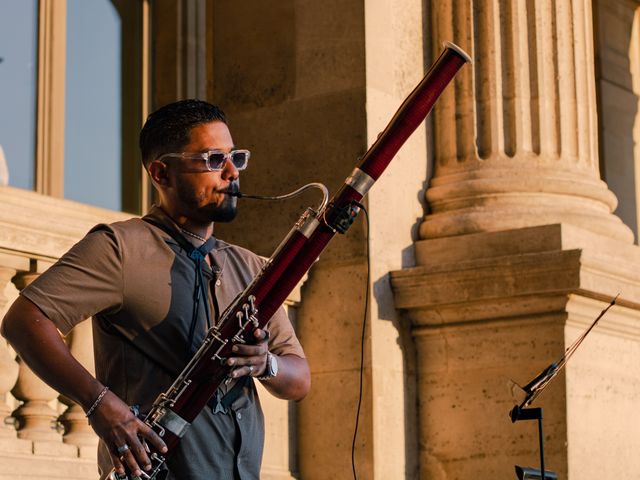
Oboe and bassoon carry the most complex key systems of any common woodwind instrument, which means they also carry the most potential points of mechanical failure. A player who notices increasing resistance when pressing certain keys, or keys that no longer return to their resting position smoothly, should have the instrument evaluated before the issue spreads to adjacent keys in the linkage system.
Both instruments are also especially sensitive to changes in reed response caused by mechanical issues rather than the reed itself. If a player has tried several reeds and still experiences unusual resistance or an unstable tone in a specific register, the problem often traces back to the instrument’s key mechanism rather than reed quality. This is a common point of confusion, and a qualified technician can usually diagnose it quickly by testing the instrument directly.
What Students and Parents Should Watch For
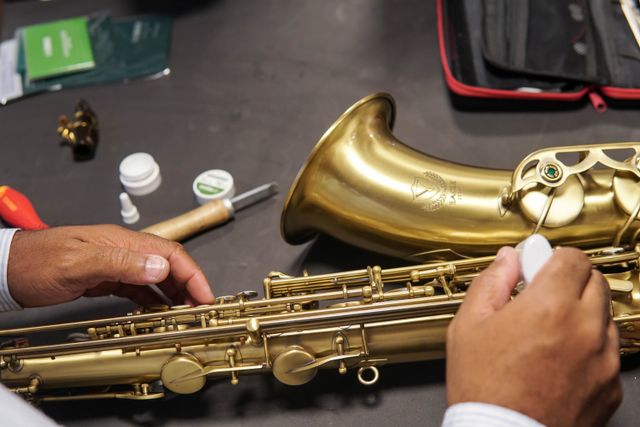
Student musicians play instruments through significant physical wear during the school year, from daily handling to transportation between home, school, and rehearsal. Parents should watch for changes in how easily their child produces sound, especially if the student previously played comfortably and now struggles with notes that used to come easily. A student who suddenly avoids practicing a specific instrument is sometimes responding to a mechanical problem rather than a motivation issue.
Rental instruments in particular benefit from a proactive check before problems become obvious. A rental instrument passes through multiple students over its lifespan, and small wear from a previous player sometimes goes unnoticed until it affects the next student who picks it up. Scheduling a professional evaluation at the start of a new school year catches these carryover issues before they interfere with a student’s progress.
What Adult and Professional Players Should Watch For
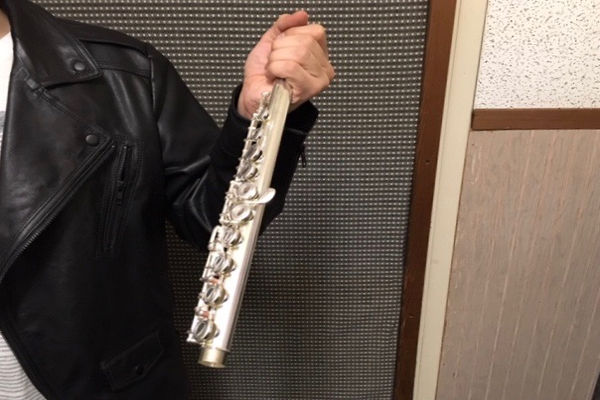
Adult players, especially those performing regularly, tend to notice mechanical issues faster than beginners because they have a clear reference point for how the instrument should feel and sound. Trust that instinct. If an instrument that has always played consistently suddenly feels different in a specific register or on a specific note, that change is worth investigating even if the instrument still technically produces a usable sound.
Professional and semi-professional players who perform frequently should also build in regular preventive maintenance rather than waiting for an obvious failure. An instrument that gets checked before a demanding performance schedule is far less likely to develop a problem mid-rehearsal or mid-show than one that only sees a technician after something breaks.
Why Local Repair Expertise Matters

A local shop with experienced technicians brings advantages that a mail-in repair service cannot match. You can describe the exact symptom in person, the technician can test the instrument immediately, and you can ask questions and get real-time answers rather than waiting on a written estimate. For rental and used instruments in particular, technicians who work with that inventory regularly are well versed in the specific issues those instruments tend to develop.
Adam’s Music in West Los Angeles has provided woodwind repair in Los Angeles alongside brass, string, and percussion repair since 1989. The shop handles everything from a minor key adjustment to a full evaluation of an instrument that has not been serviced in years. Bring your clarinet, saxophone, flute, oboe, or bassoon to the shop on Pico Boulevard and the team can diagnose the issue and walk you through what it needs to play its best again.