
A guitar doesn’t need a cracked neck or failed pickup to warrant professional attention. Many instruments remain playable while gradually becoming harder to control. The strings may sit higher than they used to, chords may sound slightly out of tune farther up the neck, or certain notes may buzz while others ring clearly. These problems can develop slowly enough that players simply adapt to them. A professional guitar setup addresses the relationship between the parts that determine how an instrument feels and responds. For players searching for guitar setup in Los Angeles, the goal should not simply be to make an instrument easier to play. A good setup brings the neck, strings, frets, bridge, nut, and other adjustable components into balance so the guitar responds consistently across the entire fretboard.
What a Guitar Setup Actually Does
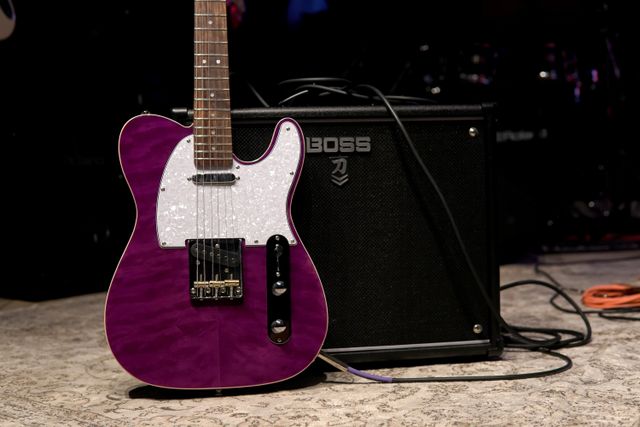
A setup differs from repairing major damage. Instead of rebuilding a broken component, a technician evaluates the instrument as a complete system and makes precise adjustments to improve playability. String height, neck relief, intonation, nut slots, pickup height, and hardware can all affect one another. Lowering the bridge without considering neck relief may create buzzing. Changing string gauges can alter tension enough to affect the neck. Even a guitar that played beautifully six months ago may benefit from adjustment after normal use or a change in strings. That is why professional guitar setup in Los Angeles should begin with evaluation rather than a predetermined list of adjustments. Two guitars with the same symptom may require very different solutions.
Neck Relief Sets the Foundation

A guitar neck usually needs a very slight amount of forward curvature, commonly called relief. That small curve gives vibrating strings enough room to move without striking the frets unnecessarily. Too much relief can make the strings feel unnecessarily high, particularly through the middle of the neck. Too little can contribute to buzzing and uneven response. The truss rod allows a technician to adjust this curvature, but the correct amount depends on the instrument, string tension, playing style, and desired action. A proper setup considers neck relief before making other major adjustments. If the neck itself does not sit correctly, changing bridge height alone may only hide the real problem.
Action Changes How the Guitar Feels

Action refers to the distance between the strings and the frets. It has an immediate effect on how much effort a guitarist needs to play. High action can make chords tiring and lead lines harder to execute. Extremely low action may feel fast but can create fret buzz or reduce the clean dynamic range of the instrument. The ideal height depends partly on the player. Someone with a light touch may prefer lower action than a guitarist who attacks the strings aggressively. One of the biggest advantages of professional guitar setup in Los Angeles is the opportunity to tailor the instrument to the person playing it. Setup measurements provide a starting point, but the best result should also reflect how the guitarist actually uses the instrument.
Intonation Keeps Notes in Tune

A guitar can tune perfectly with open strings and still sound noticeably wrong when you play higher on the fretboard. That usually points toward an intonation problem. During a setup, the technician compares the pitch of open or harmonic notes with fretted notes and adjusts the bridge saddles when the design allows it. The goal is to make the guitar play as accurately as possible throughout its usable range. Players sometimes mistake poor intonation for bad technique or old strings. Fresh strings often help with accurate adjustment, but if chords continue to sound increasingly sharp or flat as you move up the neck, a setup may reveal the underlying cause.
The Nut Has a Bigger Role Than It Seems

The nut is a small component with a large influence on tuning and feel. Each string passes through a precisely cut slot before reaching the tuning machines. If those slots sit too high, fretting notes near the first few frets can require extra pressure and may pull notes sharp. If they sit too low, open strings can buzz. Slots that bind the strings may also contribute to tuning problems, especially when bending strings or using a tremolo system. A professional setup allows a technician to inspect these details rather than focusing only on the more obvious bridge and neck adjustments.
Fret Condition Can Limit Any Setup
A setup can improve many playability problems, but it cannot always compensate for damaged or badly worn frets. Years of playing can create flattened areas and grooves where the strings repeatedly contact the fretwire. Uneven frets may cause isolated buzzing, dead notes, or inconsistent action. A technician can identify whether normal setup adjustments will solve the problem or whether the guitar needs fret leveling, dressing, or more extensive repair. This distinction matters. Good guitar setup in Los Angeles should involve identifying what the instrument actually needs rather than lowering the action until another problem appears.
String Gauge Changes the Equation

Switching strings seems simple, but moving to a noticeably heavier or lighter gauge can change the way the entire guitar behaves. Different tension can alter neck relief, action, and intonation. Players who use alternate tunings may experience similar effects. A guitar set up for standard tuning with one string gauge may not perform the same way after moving to heavier strings and a lower tuning. If you know you want to change gauges or tunings, mention that before the setup. The technician can adjust the guitar around the configuration you actually plan to use instead of optimizing it for strings you intend to replace immediately.
Your Playing Style Will Influence the Setup

There is no universal setup that suits every guitarist. Someone who plays delicate fingerstyle acoustic music has different requirements from a player who uses heavy picks and aggressive rhythm technique. A blues guitarist who frequently bends strings may prefer different action than a player focused on fast, light-touch lead work. This is where a professional setup becomes more than a mechanical adjustment. The technician can balance objective measurements with the guitarist’s preferences. When arranging guitar setup in Los Angeles, explaining how you play can be just as useful as describing what feels wrong. Mention your tuning, preferred strings, playing style, and any specific areas of the neck where you notice problems.
The Difference Between a Setup and a Repair

Some symptoms point beyond routine adjustment. Cracks, lifting bridges, broken truss rods, damaged electronics, severe fret wear, and structural problems require actual repair work. A professional evaluation helps separate adjustment from repair. That distinction protects the instrument because it prevents someone from trying to compensate for structural trouble through increasingly extreme setup changes. If a guitar suddenly changes dramatically, develops visible damage, or produces a problem that normal maintenance cannot explain, have someone inspect it rather than continuing to adjust it blindly.
Looking For A Guitar Setup in Los Angeles?
If your instrument feels harder to play than it should, professional guitar setup in Los Angeles may help bring it back into balance. Adam’s Music works with musicians who need instrument repair and maintenance support, so check out Adam’s Music when your guitar needs professional attention. A carefully evaluated setup can help you spend less time fighting your instrument and more time making music.