An audition can shape a young musician’s future. It might open the door to a performing arts high school, a youth orchestra, a college music program, or a conservatory. It can also feel overwhelming. Students need to choose repertoire, polish technique, record a prescreen video, and walk into a room ready to play their best under pressure. Good music audition prep in LA starts months before the big day and follows a clear plan. This guide walks students and parents through each step, from reading the requirements to managing nerves, so the audition becomes a chance to shine instead of a source of stress.
Why Audition Prep Matters

Talent alone rarely carries an audition. Panels listen for preparation, consistency, and musical choices that show a student understands the music. A well-prepared student plays with confidence because they have already worked through the hard passages many times. That confidence shows in every phrase.
Preparation also reduces surprises. Students who know the requirements, the format, and the timing can focus on the music instead of the logistics. Starting early gives them room to fix problems, try ideas, and grow before the deadline arrives.
Los Angeles gives students plenty of reasons to audition, from youth orchestras and performing arts high schools to some of the country’s top college music programs. That competition makes music audition prep in LA especially important. The students who stand out are usually the ones who planned ahead.
Start With the Requirements

Every program sets its own rules, so the first step is reading them carefully. Some schools ask for specific pieces, while others give a list of styles or periods to choose from. Many require scales, sight-reading, or an interview as part of the audition.
College programs often use a prescreen video to decide who earns a live audition. The USC Thornton School of Music, for example, asks undergraduate string applicants for an unedited prescreen video by December 1, with live auditions for invited students in late January and early February. Check each school’s current page, since requirements and deadlines change from year to year.
Choosing the Right Repertoire

Choose pieces that show your strengths while meeting every requirement. A strong audition list usually includes contrasting works, such as a lyrical piece and a technical one, so the panel can hear both your tone and your skill. Pick music you can play well on a nervous day, not just on your best practice day.
Work with a teacher on these choices. An experienced teacher knows which pieces fit your level and which ones expose weaknesses under pressure. Finding the right private teacher can make a major difference in how well your repertoire comes together.
Building a Practice Timeline
Plan backward from the audition date. Many students start three to six months ahead for a major audition. Divide that time into stages, such as learning the notes, refining the musical details, and performing the full program for others.
Set weekly goals and track them. Short, focused daily practice usually beats long, unfocused sessions. These tips for setting music lesson practice goals can help students stay organized as the deadline approaches.
Recording a Strong Prescreen Video

A prescreen video is your first impression, so treat it like a performance. Find a quiet room with good lighting and minimal echo. Place the camera so the panel can see your hands, your instrument, and your face. Test the audio before you record the full program.
Follow every instruction about editing, order, and file format. Many schools require unedited recordings, which means each piece must come from one continuous take. Record several takes over a few days and choose the best one rather than trying to finish everything in a single session.
Scales, Sight-Reading, and Fundamentals

Many auditions test fundamentals along with prepared pieces. Panels may ask for major and minor scales, arpeggios, or a short sight-reading excerpt. These requests show how well a student understands their instrument beyond the pieces they practiced for months.
Build fundamentals into daily practice instead of cramming them at the end. Read a new short piece each day to improve sight-reading. Play scales slowly with a metronome and raise the tempo only after they feel clean and even.
Practicing Mock Auditions
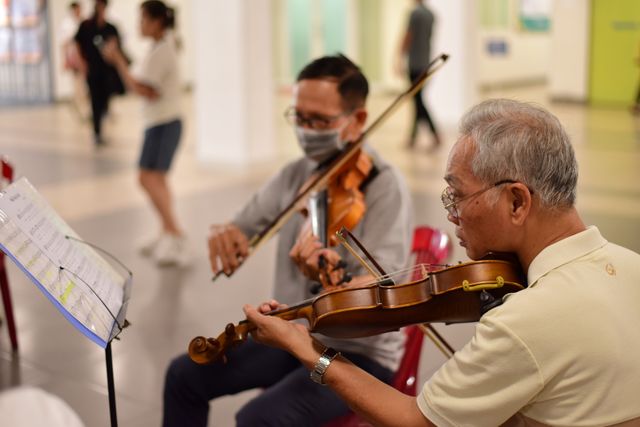
Mock auditions help students grow comfortable playing under pressure. Ask a teacher, family members, or friends to act as a panel. Walk in, introduce yourself, and play the full program without stopping, just as you will on the real day.
Record these run-throughs and listen back. You will notice rushed tempos, shaky entrances, or missed dynamics that are hard to hear while playing. Each mock audition makes the real one feel more familiar and less intimidating.
Getting Your Instrument Ready

Your instrument should work perfectly on audition day. Have it checked several weeks ahead so there is time to fix any problems. Leaking pads, sticky valves, worn strings, or buzzing frets can distract you and the panel. This guide to musical instrument repair in LA explains what to look for.
Change strings or reeds a few days before the audition, not the night before, so they have time to settle. Pack backups, along with a tuner, rosin or cork grease, and your music.
Managing Nerves on Audition Day

Nearly every musician feels nervous before an audition. The goal is not to remove the nerves but to manage them. Get a good night’s sleep, eat a light meal, and arrive early enough to warm up without rushing.
Use slow breathing to calm your body before you walk in. Focus on the music rather than the panel. If you make a mistake, keep going. Panels care far more about how a student recovers than about a single wrong note.
Looking For Music Audition Prep in LA?
Adam’s Music on Pico Boulevard in West Los Angeles offers private music lessons for students at every level, including those preparing for school, orchestra, and college auditions. Instructors tailor each lesson plan to the student’s goals and help build the technique and repertoire an audition demands. Every new student starts with a free introductory lesson with no obligation. Stop by the shop or reach out today to start your music audition prep in LA.