Piano is one of the most rewarding instruments a person can learn. It teaches melody, harmony, and rhythm all at once, and it gives students a clear view of how music works. That makes it a strong first instrument for children and a natural choice for adults who always wanted to play. Starting well matters, though. The right teacher, a good practice setup, and realistic goals shape how fast a new student grows. This guide walks through what beginners and parents should know before signing up for piano lessons in Los Angeles, from the first lesson to the habits that build steady progress.
Why Piano Makes a Great First Instrument
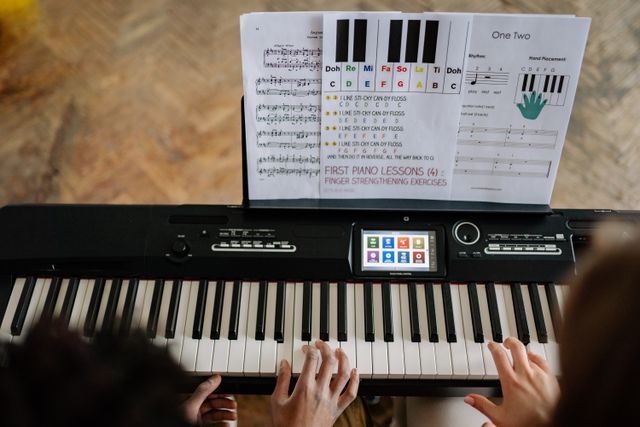
The piano lays every note out in front of the student. Low notes sit on the left, high notes sit on the right, and the pattern of black and white keys repeats across the keyboard. That visual layout helps beginners understand scales, chords, and intervals faster than on many other instruments.
Piano also teaches both hands to work on their own. The left hand often plays harmony while the right hand carries the melody. Building that independence takes patience, but it develops coordination and focus that carry over to any other instrument a student picks up later. Many musicians who play guitar, voice, or brass started with a few years of piano.
Choosing an Instrument for Home Practice
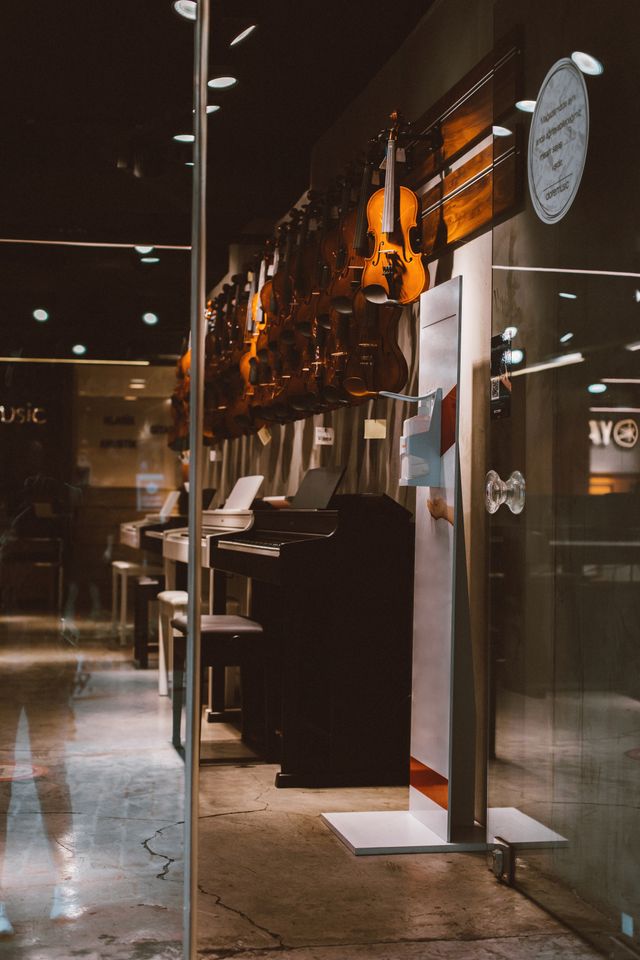
Every piano student needs an instrument at home. An acoustic piano offers the most natural touch and tone, but it takes up space and needs regular tuning. A digital piano with weighted, full-size keys gives beginners a feel close to an acoustic and works well in apartments, since students can practice with headphones.
Avoid small keyboards with light, unweighted keys for serious study. They do not build the finger strength that real piano technique requires. Families who want to try lessons before buying can explore a keyboard rental in LA as a low-risk way to start. Whatever you choose, place it in a quiet spot with good light and a bench at the right height.
What Happens During a First Piano Lesson
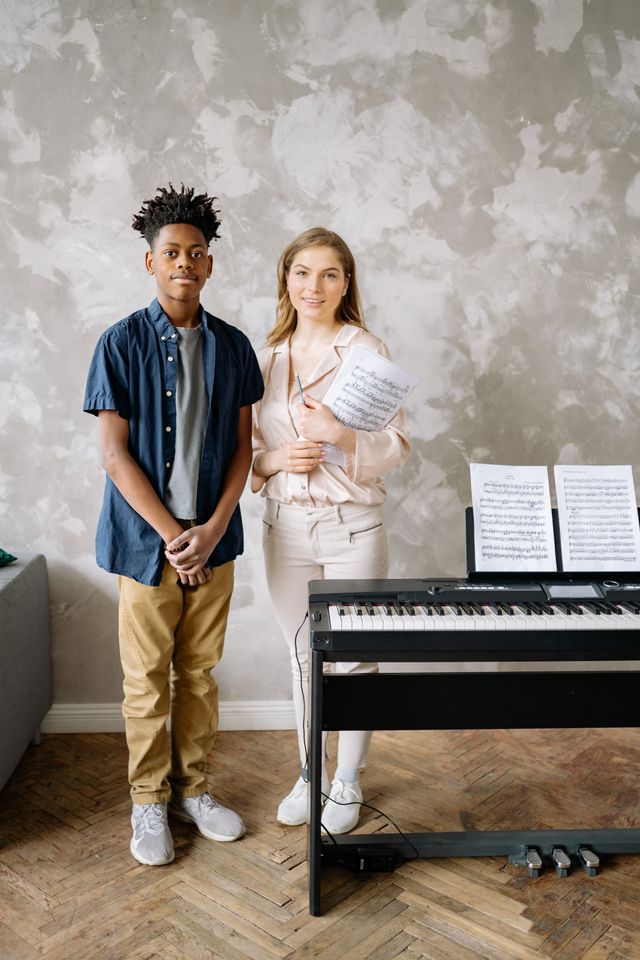
A first lesson does not demand any experience. A good teacher starts by learning about the student. They ask what music the student enjoys, what goals they have, and whether they have played anything before. That conversation helps the teacher shape a plan that fits the student instead of a one-size-fits-all program.
From there, the teacher usually covers posture, hand position, and how to find notes on the keyboard. Many beginners play a simple piece by the end of the first session. The teacher also gives clear practice tasks for the week ahead. A strong first lesson leaves the student excited to sit down at the keys at home.
Classical, Jazz, and Contemporary Paths
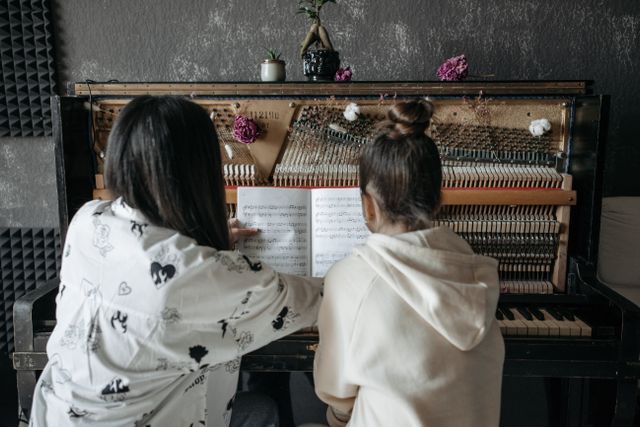
Piano covers a wide range of styles, and the path you choose affects how you learn. Classical study focuses on reading music, technique, and repertoire from composers like Bach, Mozart, and Chopin. It builds a strong foundation that supports almost any style later on.
Jazz piano adds chord voicings, rhythm, and improvisation. Contemporary and pop lessons often focus on chord charts, accompaniment, and playing songs students already know. Many teachers blend these approaches. Tell your teacher which music inspires you, and ask how they would build your skills toward it.
Piano Lessons for Kids and Adults
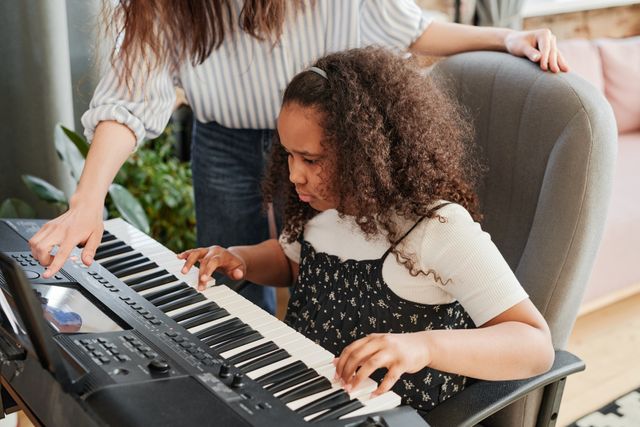
Children often start piano lessons between the ages of five and eight, when they can focus for a short lesson and recognize letters and numbers. Young students learn best with short, fun practice sessions and lots of encouragement. Parents play a big role by setting a regular practice time and showing interest in each new piece. This parent’s guide to kids music lessons covers more about getting children started.
Adults bring different strengths to the bench. They understand theory concepts quickly and know exactly what music they want to play. Their biggest challenge is usually time. A good teacher helps adult students set goals that fit a busy schedule and celebrates steady progress over speed.
How Long and How Often to Take Lessons

Most students take one lesson per week. Weekly lessons give the teacher a chance to correct habits before they settle in, and they keep the student on a steady schedule. Lessons that happen less often tend to slow progress, especially in the first year.
Lesson length depends on age and level. Young children and new beginners often do well with 30 minutes. Older students and intermediate players usually need 45 or 60 minutes to cover technique, theory, and new pieces. You can review current lesson rates to compare options before you commit. Families comparing piano lessons in Los Angeles should also ask about scheduling early. After school and weekend time slots tend to fill first, especially at the start of a new school year.
Practice Habits That Build Real Progress

Progress on piano comes from short, focused practice on most days of the week. Fifteen to twenty minutes of daily practice beats one long session the night before a lesson. Start each session with a warmup, work slowly through the hard spots, and finish with a piece you enjoy.
Practice hands separately before putting them together. Use a metronome to keep a steady pulse, and raise the tempo only after a passage feels comfortable. Setting clear music lesson practice goals each week helps students track their growth and stay motivated.
Finding the Right Piano Teacher in Los Angeles

Los Angeles has a deep pool of piano teachers, from conservatory-trained classical players to working session musicians. The right fit depends on your goals. Ask about a teacher’s training, the styles they teach most, and how they structure lessons for beginners. Organizations like the Music Teachers National Association also offer certification programs that some teachers complete.
Personality matters as much as credentials. Students learn best from a teacher who explains clearly, stays patient, and makes lessons enjoyable. A trial lesson gives you the best way to judge that fit before you sign up for piano lessons in Los Angeles on a weekly schedule.
Looking For Piano Lessons in Los Angeles?
Adam’s Music on Pico Boulevard in West Los Angeles offers private piano lessons for kids and adults at every level, from first-time beginners to students ready for more advanced repertoire. Instructors tailor each lesson plan to the student’s goals and favorite styles. Every new student starts with a free introductory lesson with no obligation. Stop by the shop or reach out today to schedule your first piano lesson.