
Low Notes Become Difficult to Play

Low notes often expose leaks before the rest of the instrument does. If low C, B, or Bb suddenly require much more effort, the problem may not come from your embouchure or breath support. A pad that no longer seals completely can allow a small amount of air to escape. Even a minor leak may make the lower register unstable because those notes depend on much of the saxophone remaining sealed. Before assuming the instrument needs repair, check simple variables such as reed condition and mouthpiece placement. If the problem continues across several reeds and normal playing conditions, a technician can inspect the pads and key regulation for leaks.
Certain Notes Stop Responding Consistently
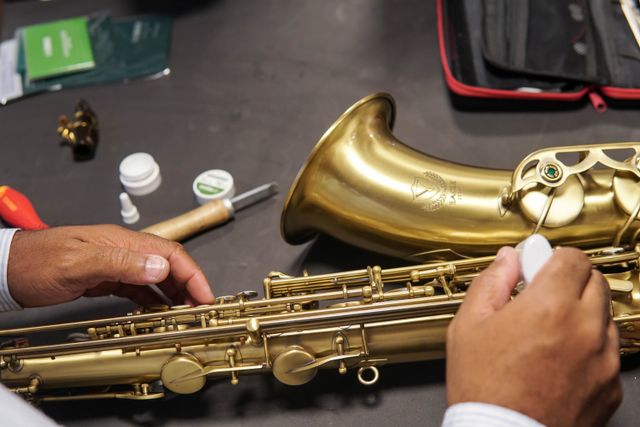
A healthy saxophone should respond predictably. Individual notes can naturally require different amounts of support, but one note should not suddenly become unreliable while neighboring notes remain normal. If a particular note cracks, fails to speak, or behaves differently from one day to the next, a key may not be closing correctly. Saxophone mechanisms include linked keys, so an adjustment in one area can affect a tone hole somewhere else on the instrument. This type of problem often becomes frustrating because players instinctively compensate. They blow harder, change their embouchure, or alter finger pressure. Professional saxophone repair in Los Angeles can determine whether the problem comes from technique or a mechanical issue before those compensations become habits.
Your Saxophone Feels More Resistant

Players often describe an instrument that needs attention as feeling “stuffy.” The saxophone still plays, but producing a full tone takes more effort than usual. Resistance can have several causes. A small pad leak may reduce efficiency. A key may close incompletely. The octave mechanism can also create unexpected response problems when it falls out of regulation. The important clue is change. If you know your saxophone well and it suddenly requires noticeably more air, something may have shifted. A technician can test the instrument systematically rather than relying on guesswork.
Keys Start Sticking
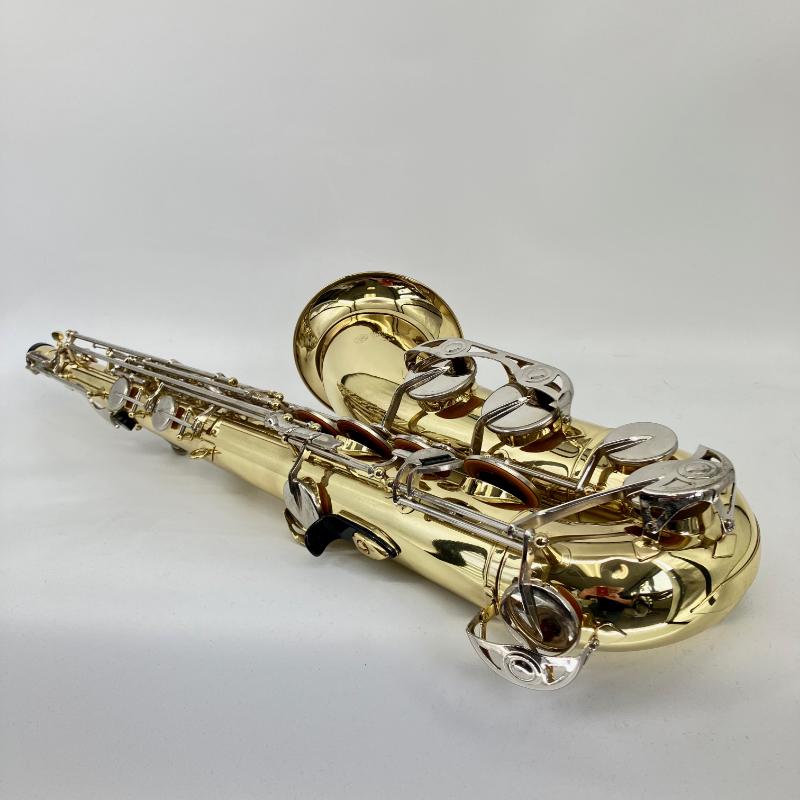
Sticky keys are among the most noticeable saxophone problems. Pads can retain moisture after playing, especially on keys that normally remain closed. Residue may also build up over time and cause a pad to cling briefly to the tone hole. An occasional sticky pad does not necessarily mean the saxophone needs major repair. Proper swabbing and drying often help prevent the problem. However, a key that repeatedly sticks despite normal cleaning deserves closer attention. Worn pads, damaged pad surfaces, or mechanical alignment issues may require professional service. Avoid aggressively pulling paper or abrasive materials beneath a pad, since rough treatment can damage a component that needs to seal precisely.
The Keys Feel Loose or Noisy
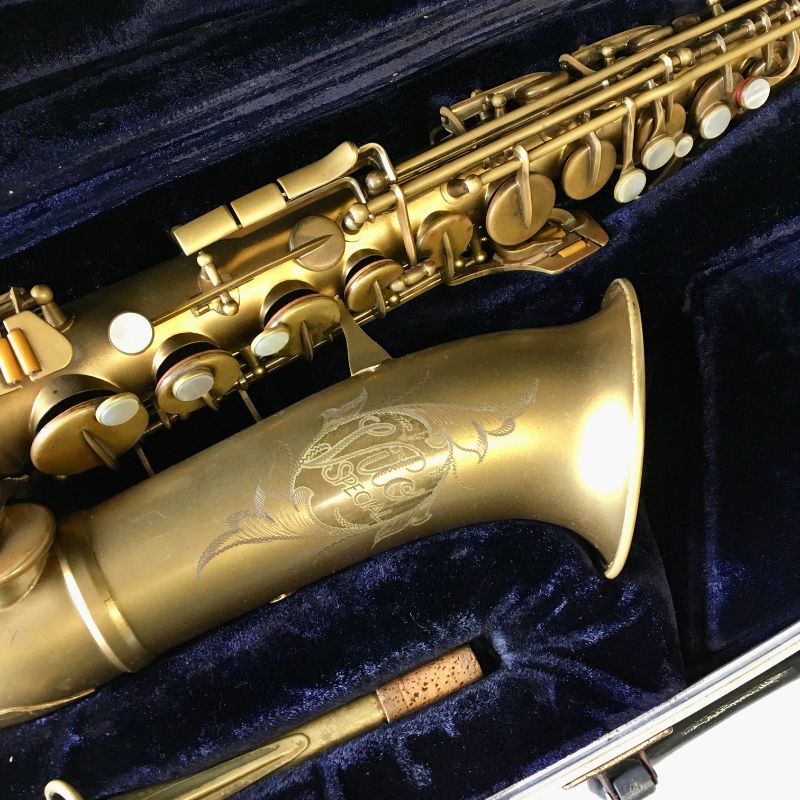
A saxophone contains a network of rods, screws, hinges, springs, corks, and felts. Over time, normal use can introduce mechanical play into this system. You may notice keys moving sideways, excessive clicking, or a mechanism that feels less precise than it once did. Some mechanical noise is normal, but new or increasingly loud sounds can indicate worn adjustment materials or movement in the keywork. Loose mechanisms can eventually affect sealing and regulation as well as comfort. This makes unusual key movement a good reason to consider saxophone repair in Los Angeles before the issue begins interfering with actual notes.
The Octave Key Behaves Strangely

The octave mechanism helps the saxophone move cleanly between registers. Because several parts work together to control it, relatively small adjustments can have noticeable effects. Players may notice octave notes cracking, refusing to speak, or jumping unexpectedly between registers. Sometimes the octave key on the neck does not open or close as it should. In other cases, the problem lies elsewhere in the connected mechanism. Before assuming you need repair, make sure the neck sits correctly and the octave mechanism has not become obstructed. Persistent problems should receive professional attention because bending octave components by hand can easily create additional alignment problems.
Pads Show Visible Wear

Saxophone pads do not last forever. They repeatedly compress against metal tone holes while also dealing with moisture from normal playing. As pads age, they may harden, tear, become uneven, or stop forming a reliable seal. Players sometimes notice discoloration or obvious surface damage, although leaks can also occur without anything visually dramatic. A technician does not necessarily need to replace every pad because one has failed. Sax repair often involves evaluating each pad individually and deciding whether adjustment, reseating, or replacement offers the appropriate solution.
The Instrument Was Dropped or Knocked Over
A fall does not need to leave a dramatic dent to affect a saxophone. Long keys and rods can bend slightly from an impact, changing how the mechanism closes. A key guard can shift enough to interfere with movement, or a connection between linked keys can fall out of regulation. If the saxophone takes a significant hit, inspect it carefully before continuing to play. Do not force a key that suddenly feels tight or misaligned. A professional evaluation can identify damage that may not be obvious from the outside. Addressing it quickly may prevent one bent component from placing additional stress on surrounding parts.
Intonation Changes Across the Instrument

No saxophone produces mathematically perfect intonation on every note, and players naturally make small adjustments while performing. However, a noticeable change from the instrument’s usual tuning behavior deserves attention. Leaks and regulation problems can alter how notes respond and make pitch control more difficult. If a saxophone that previously played predictably suddenly requires unusual corrections, the instrument may need inspection. Rule out the reed, mouthpiece, and normal temperature-related tuning changes first. When those variables remain consistent but the problem persists, a repair technician can examine the instrument for mechanical causes.
Alto, Tenor, Soprano, and Baritone Saxes Have Different Stress Points
All saxophones share the same general repair principles, but their physical designs create different practical considerations.
An alto saxophone’s relatively compact construction makes it manageable for students and working musicians, but its keywork can still move out of regulation through heavy use. Tenor saxophones have longer bodies and mechanisms, which can make transportation bumps particularly important to watch.
Soprano saxophones demand precise regulation because even small mechanical problems can contribute to an already challenging playing experience. Baritone saxophones contain extensive keywork across a large instrument, and their size makes careful handling especially important.
A technician familiar with the saxophone family can evaluate each instrument according to its particular construction rather than treating every sax the same way.
Looking For Saxophone Repair in Los Angeles?
If you are looking for professional saxophone repair in Los Angeles, check out Adam’s Music. Their repair services can help identify mechanical problems, restore proper adjustment, and get your instrument responding the way it should so you can get back to focusing on your playing.