
Brass instruments look tough, but they depend on precise parts that wear down with every rehearsal. Valves glide inside casings with very tight tolerances. Slides need a smooth, even fit to move and seal. Thin tubing bends and dents more easily than most players expect. When something starts to go wrong, the change often feels small at first. A valve sticks once in a while, or a slide takes a little more effort to pull. Spotting these early signs and finding brass repair in Los Angeles before the problem grows can save you time, money, and frustration. This guide covers what to watch for on trumpet, cornet, trombone, French horn, euphonium, and tuba.
Why Brass Instruments Need Professional Attention
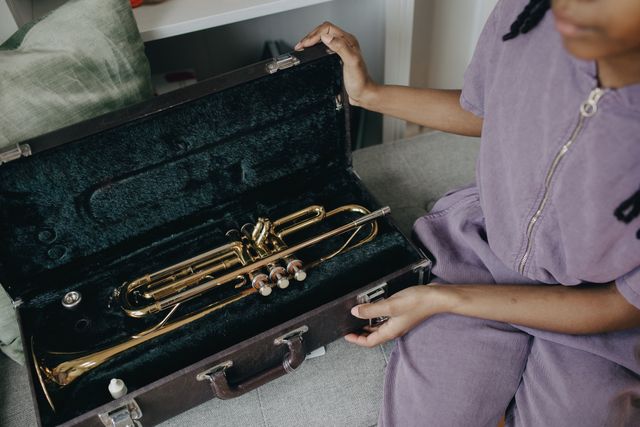
Every time you play, warm air and moisture travel through the tubing. Over time, that moisture mixes with minerals and debris to form buildup inside the instrument. Valve oil and slide grease break down, and the moving parts start to drag. Even a player who cleans the horn carefully will see this wear over months of regular use.
Small problems also tend to spread. A sticky valve forces a player to press harder and change their hand position. A slow slide makes quick passages harder to play in tune. Players often adapt without noticing, and those habits stay with them after a technician fixes the horn. A technician who catches the issue early protects both the instrument and the player’s technique.
Warning Signs on Trumpet and Cornet
Valves cause the most common trouble on trumpet and cornet. If a valve feels slow to return, sticks halfway down, or makes a clicking sound, fresh oil may solve it. If the problem comes back right after oiling, the valve or casing likely has buildup, wear, or a small dent that needs a technician. Never try to force a stuck valve, since that can damage the piston and casing.
Slides are the next thing to check. Tuning slides that will not move, or that move in jerky steps, make it hard to adjust pitch. A leaking water key cork can also cause a fuzzy sound or notes that feel stuffy. These parts cost little to replace, but they make a big difference in how the horn responds.
Warning Signs on Trombone
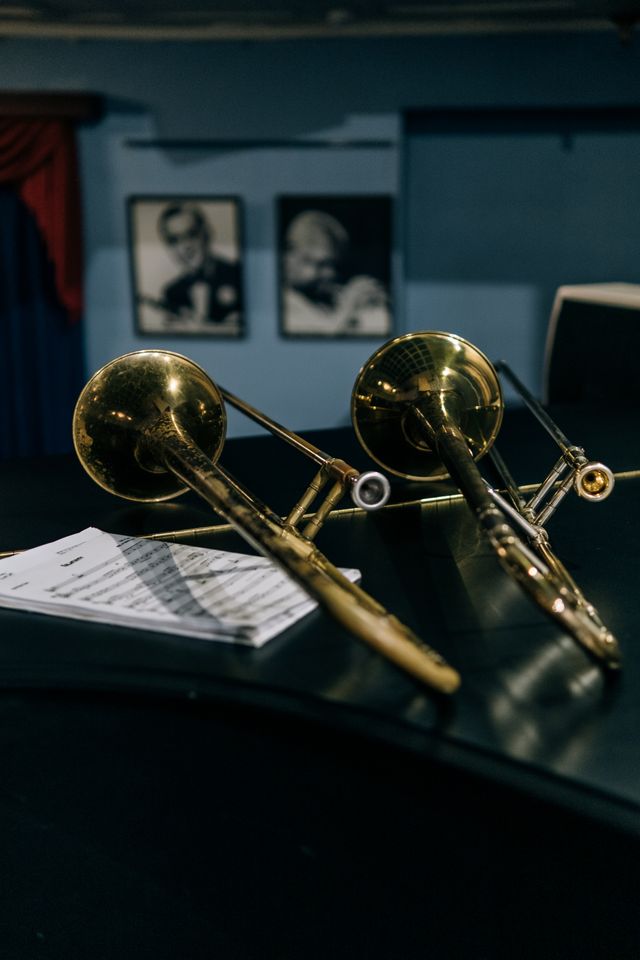
The trombone slide must move freely across its full length. If the slide feels rough, catches at one spot, or needs extra force near the bottom positions, the tubes may have a dent or a slight bend. Even a tiny dent on the inner or outer slide can create drag that no amount of slide cream will fix.
Watch for a slide that drifts after you close the lock, or a bell section that wobbles where it connects to the slide. Loose braces and worn slide locks show up often on school trombones that travel in cases every day. A technician can align the slide, remove small dents, and restore the smooth action that good technique depends on.
Warning Signs on French Horn, Euphonium, and Tuba
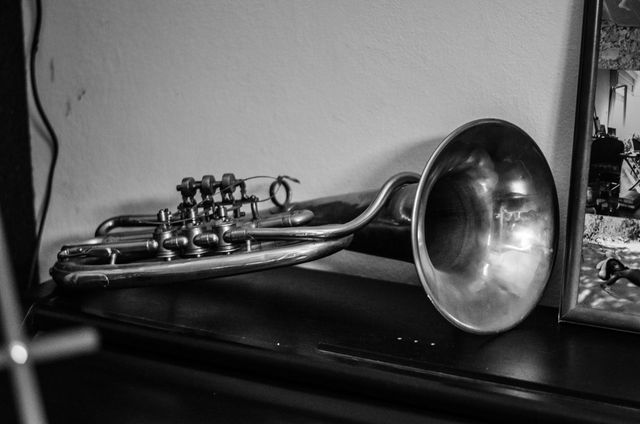
French horns use rotary valves, which work differently from piston valves. If a rotor feels stiff, makes noise, or sounds clunky when you press a lever, the bearings may need cleaning and oil. Many horns also use string linkages, and a frayed or stretched string can make a valve slow or uneven.
Euphoniums and tubas carry large tubing that dents easily during storage and transport. A deep dent can change the way air flows through the horn and affect the tone and intonation. These big instruments also have many solder joints, so a rattle or buzz during loud playing often points to a loose brace that needs attention.
Stuck Mouthpieces and Frozen Slides
A stuck mouthpiece is one of the most common reasons players visit a repair shop. It happens when someone taps a mouthpiece into the receiver or when buildup bonds the two parts together. Pliers and twisting can crush the receiver and turn a quick fix into a much bigger repair. A technician uses a mouthpiece puller that removes it safely in seconds.
Frozen slides follow a similar pattern. When a horn sits unused for months, old grease and buildup can lock a slide in place. Heat, force, and household tools can bend the tubing or break solder joints. Bring the instrument to a professional and let them free the slide the right way.
Dents, Loose Braces, and Broken Solder Joints

Not every dent needs repair right away. A small ding on the bell usually does not change much. Dents in the leadpipe, the valve slides, or the tubing near the valves can affect the sound and the way the horn feels. If a dent sits close to a valve casing, it can also squeeze the casing and make the valve stick.
Braces hold the tubing in place and keep the horn stable. If you hear a buzz when you play or see a joint move when you touch it, a solder joint may have broken loose. A technician can reattach the brace before the stress spreads to other parts of the instrument.
What Students and Parents Should Watch For

School brass instruments face a lot of wear. Daily trips to school, crowded band rooms, and quick case packing all take a toll. Parents should pay attention when a student suddenly struggles with notes that used to come easily, or avoids practice without a clear reason. A mechanical problem sometimes causes what looks like a motivation problem.
Rental and used instruments also benefit from a check at the start of each school year. A horn that passes through several students may carry small issues from its last owner. A quick evaluation before the first rehearsal helps a new student start with an instrument that plays the way it should. Families who still need a horn can learn more about how to rent band instruments before the season begins.
Routine Care Between Repairs
Good habits at home reduce the need for major repairs. Oil the valves often, grease the slides when they start to feel dry, and wipe the outside after each session. Many players also give the horn a gentle bath with lukewarm water and mild soap every few months to clear buildup. Yamaha offers a helpful overview of brass care materials that covers oils, greases, and cleaning tools.
Routine care still has limits. If a problem returns after cleaning and oiling, the cause sits deeper inside the instrument. That is the point where professional brass repair in Los Angeles makes the most sense.
Looking For Brass Repair in Los Angeles?
Adam’s Music on Pico Boulevard in West Los Angeles has helped local musicians and students since 1989, and the shop provides brass repair in Los Angeles alongside woodwind, string, and percussion repair. The team handles everything from stuck valves and frozen slides to dent work and loose braces. Bring your trumpet, trombone, French horn, euphonium, or tuba to the shop, or reach out today to talk through what your instrument needs.